

How To Layer Gym Clothes For Warmth And Comfort This Winter
Winter has a habit of sneaking into the gym with you. One minute you’re wrapped up against the cold, and the next you’re mid-workout wondering why you dressed like you were heading up Snowdon. However, with the right layering approach, you can stay warm, comfortable and focused from warm-up to cool-down.
Fortunately, layering your gym clothes is less about piling things on and more about choosing smart pieces that work together. So, let’s break it down in a way that’s simple, practical and very much Winter friendly.
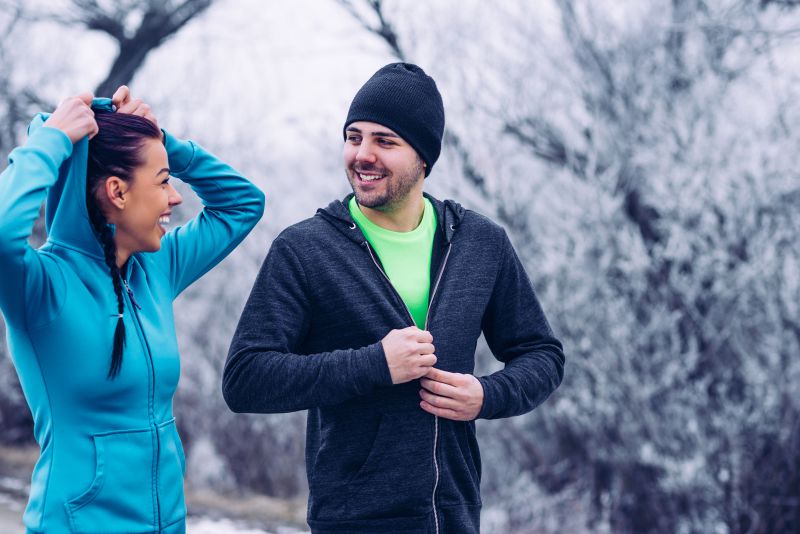
Start With a Moisture-Wicking Base Layer
Firstly, your base layer matters more than anything else. This is the layer that sits directly against your skin, so it needs to work hard. Ideally, it should keep you warm at the start of your session while also pulling sweat away once you get moving.
Opt for lightweight, moisture-wicking fabrics such as polyester blends or merino wool. Although cotton might feel cosy at first, it tends to trap moisture. Consequently, you can end up feeling cold and clammy halfway through your workout.
Fitted long-sleeve tops or performance T-shirts work well as a base. They provide warmth without bulk. Meanwhile, for lower body sessions, leggings or compression tights under shorts can be a great choice, especially on particularly cold mornings.
Add an Insulating Middle Layer
Next comes the insulating layer. This is where warmth really builds, but comfort still needs to come first. Essentially, this layer traps heat while still allowing your body to breathe.
For example, a lightweight fleece, quarter-zip top or thin hoodie is ideal. Not only does it keep your muscles warm, but it also allows easy temperature control. Therefore, if you start to heat up quickly, you can unzip or remove it without fuss.
This layer is perfect for warm-ups, mobility work and rest periods. While you might not need it for the entire workout, it plays an important role in keeping your body ready to move safely.
Finish With a Weather-Ready Outer Layer
Before you even touch a weight or step onto a treadmill, you still have to get to the gym. That’s where the outer layer comes in. This layer should protect you from wind, rain and the general chill of Winter.
Ideally, choose a lightweight jacket that’s easy to remove and store. Water-resistant fabrics are especially useful, particularly if you walk or cycle to the gym. As a result, you stay dry on the way in and comfortable once inside.
Your outer layer doesn’t need to be heavy. In fact, bulky coats can restrict movement and overheat you quickly. Instead, think practical, packable and breathable.
Don’t Forget Your Fingers & Toes!
While layers on your torso get most of the attention, your hands, feet and head deserve some thought too. After all, they’re often the first to feel the cold.
For instance, thermal socks can make a huge difference, especially during early sessions or leg days. A beanie or headband can keep you warm on the way to the gym, then easily come off once you’re inside.
Lightweight gloves can help during warm-ups or outdoor training. However, make sure they don’t interfere with grip or safety once your workout begins.
Plan for Easy Layer Removal
Think about how easy it is to remove layers as your body temperature rises. After all, a good winter gym outfit adapts with you.
Choose items with zips, buttons or looser fits that can come off quickly. Make sure you have somewhere to store them, whether that’s a locker or a gym bag.
As a rule of thumb, it’s better to start slightly cool than too warm. That way, you avoid overheating early on, and your layers can work as intended throughout your session.
Match Your Layers to Your Workout Style
Finally, consider what type of training you’re doing. Different workouts demand different layering strategies.
For example, strength training often includes rest periods. As a result, keeping a mid-layer nearby can help prevent muscles from cooling down too quickly. On the other hand, cardio-heavy sessions usually warm you up fast. Therefore, lighter layers that can be removed early are often best.
Classes, circuits and functional training sit somewhere in the middle. In these cases, flexible layering is key.
Stay Warm, Train Better
In conclusion, layering your gym clothes in Winter is all about balance. By starting with a breathable base, adding smart insulation and finishing with a practical outer layer, you set yourself up for a more comfortable workout.
When you’re warm but not overheated, your body moves better, your focus improves and your training feels more enjoyable. So, as the temperatures drop, layer up wisely, train confidently and keep your fitness routine strong all Winter long.






Registered Address 3 Roundhead Road, Theale, Reading, England, RG7 5DL